
 Search
 English
 русский
+86-18266975997
How to Identify the Quality of Materials Used in Lightweight Snow Shovels
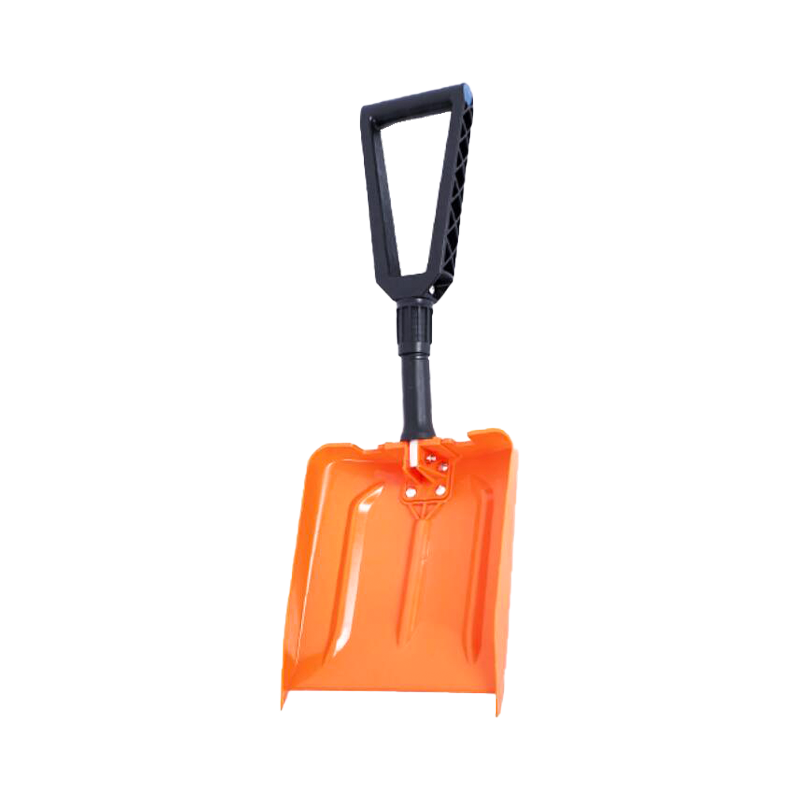
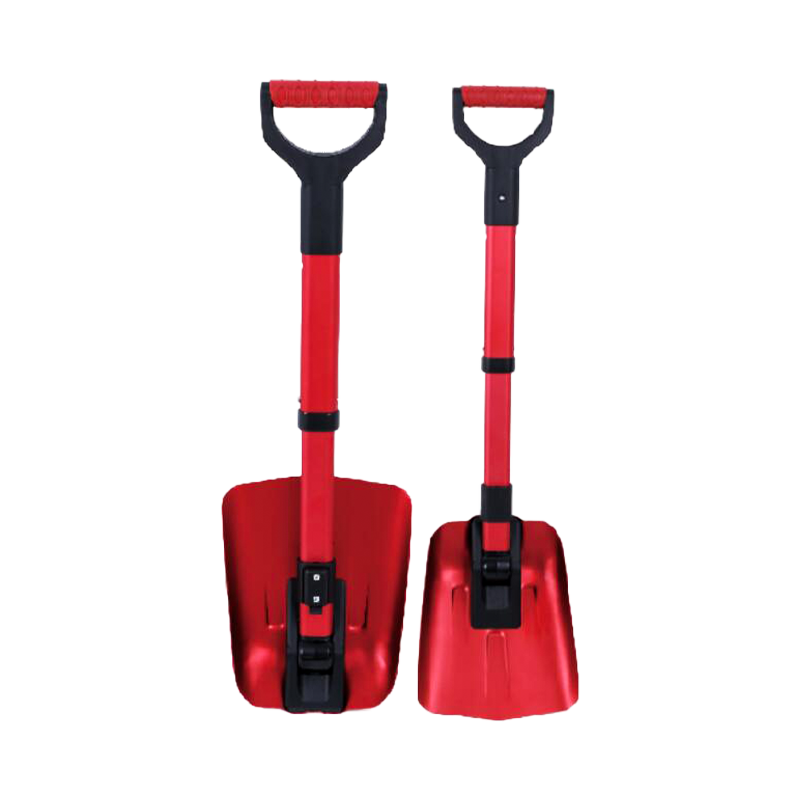
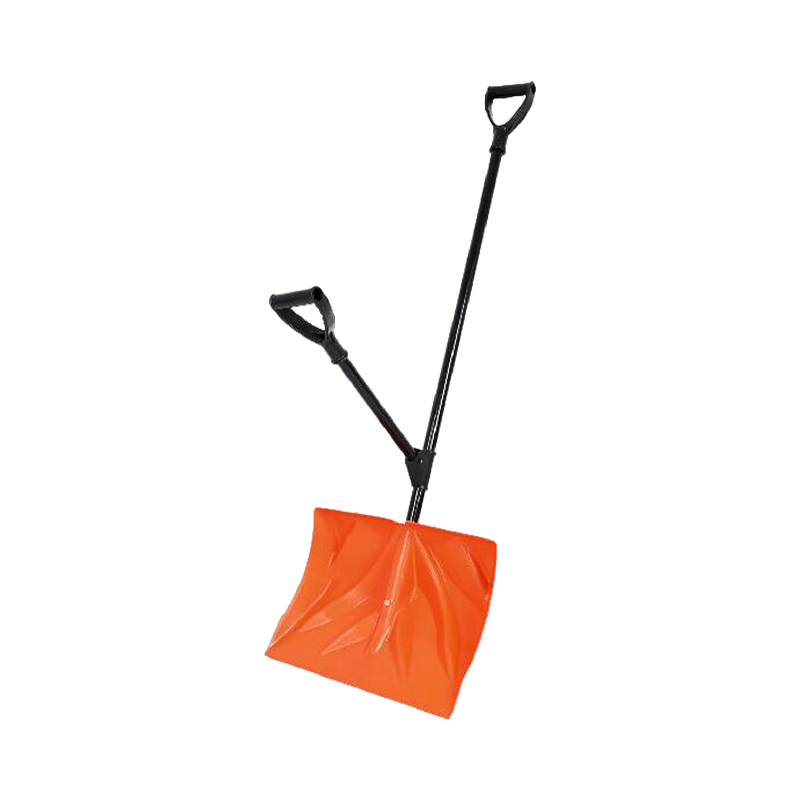
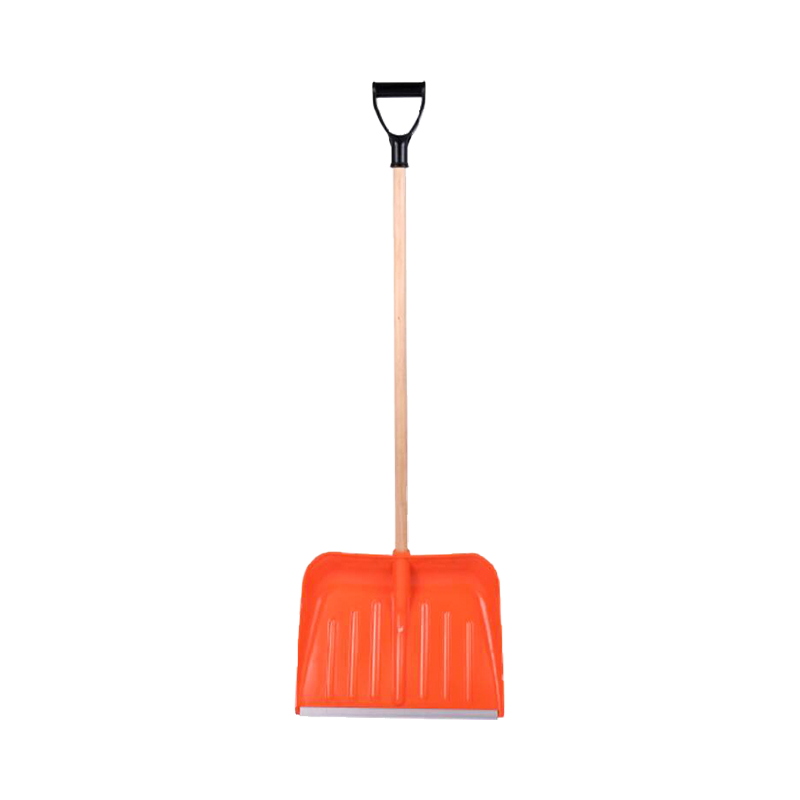
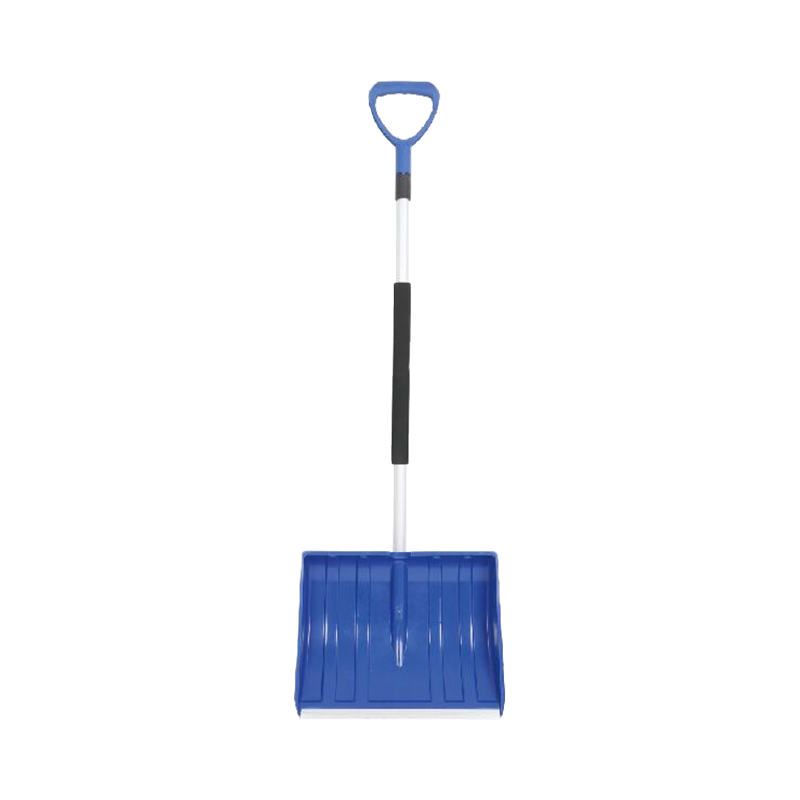
Lightweight snow shovels are often made from a combination of materials, each selected to reduce overall weight without compromising strength. The three primary components to examine are the blade, shaft, and handle grip.
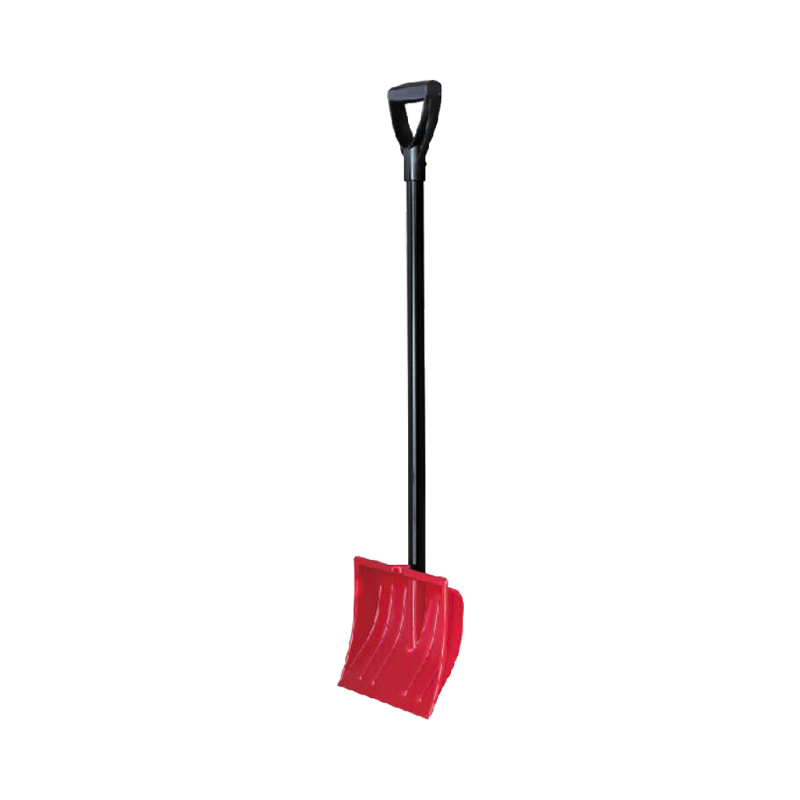
Blade Materials: Common blade materials include high-impact plastic (such as polypropylene), aluminum, or composite polymers. These materials offer varying balances between strength, weight, and cost.
Shaft Materials: The shaft is often made from aluminum, fiberglass, or plastic. Each has its advantages in terms of weight, rigidity, and resistance to corrosion or cold temperatures.
Handle Grips: Grips are usually made from rubber, foam, or molded plastic, designed for comfort and slip resistance.
Knowing these materials helps set a baseline for evaluating what a quality product should contain.
The blade is the working edge of the shovel and directly impacts performance and durability. A quality blade should be lightweight yet strong enough to handle snow, slush, and occasional ice.
Material Thickness: For plastic blades, check the thickness and density. A thin, brittle blade may crack under pressure or cold temperatures. Higher-quality plastic blades will feel solid and have some flexibility without being soft.
Reinforcements: Look for blades with reinforced edges or ribs. These additions improve structural strength and prevent warping or cracking during use.
Scratch and Impact Resistance: Test the blade surface by lightly tapping or pressing against a hard object. Quality materials resist scratching and do not dent or deform easily.
Temperature Performance: Some plastics become brittle in cold weather. A blade made from cold-resistant polymers, such as high-density polyethylene (HDPE), maintains durability in sub-zero conditions.
The shaft connects the blade to the handle and must withstand the force exerted during shoveling. Its material should offer strength while keeping the overall shovel lightweight.
Rigidity: Try flexing the shaft gently. A quality shaft has minimal bend and feels solid. Too much flex may indicate a lower-grade plastic or thin aluminum that could fail under stress.
Joint Strength: Examine the connection between the shaft and the blade. It should be firmly attached, ideally with rivets, screws, or molded integration. Loose or weak joints often result in premature failure.
Corrosion Resistance: For metal shafts, anodized aluminum is preferred due to its corrosion resistance and light weight. Avoid uncoated steel, which may rust over time.
While often overlooked, the grip significantly affects the user's experience. A well-made handle grip improves control, reduces fatigue, and prevents slippage during use.
Material Feel: The grip should be made from non-slip, weather-resistant material. Rubber and foam are ideal for insulation and comfort in cold conditions.
Secure Attachment: Check if the grip is firmly attached to the shaft without wobbling or loose sections. It should not rotate or slide under pressure.
Ergonomic Design: High-quality grips are ergonomically shaped to fit the hand naturally, providing better leverage and strain during prolonged use.


contact
Get in touch
Message Me
Contact info
Leave your name and email address, we' ll get back to you soon.
-
 Phone
-
 Whatsapp
+86-18266975997
-
 E-mail
sales3@china-chaoyang.com
-
 Address
No.8 Shenliu Xiaowei Garden, Niubeijin Industrial Zone, Wuyi County, Jinhua City, Zhejiang Province, China
Copyrighte 2023 Wuyi Chaoyang Plastic Co., Ltd. All Rights Reserved.
